Gum Health
Gum sensitivity: why teeth and gums react to cold, touch, or brushing
Sensitive gums are usually a pattern, not a mystery. Cold air, a toothbrush, floss, or a sip of water can bother tissue that is dry, irritated, or no longer covering the tooth the way it used to.
Gum sensitivity can feel like tenderness, a sting at the gumline, or a quick zing when cold touches one area. It is easy to lump all of that together, but the timing matters. Sensitivity during brushing points to a different pattern than sensitivity to cold drinks or air.
The useful first step is not panic. It is noticing whether the reaction is broad or local, new or long-running, and paired with redness, bleeding, swelling, bad taste, or a tooth that feels different when you bite.
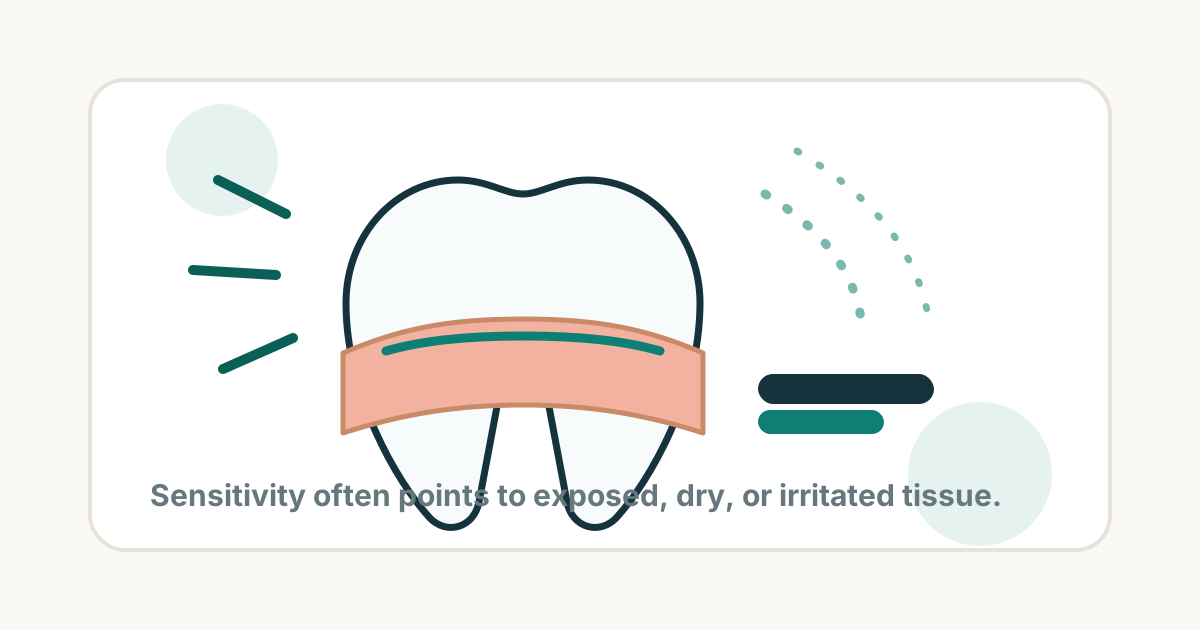
Cold sensitivity often points to exposed root surface
The crown of a tooth has enamel. The root surface does not have the same hard outer shield. When the gumline pulls back a little or the tissue thins, cold water, air, or sweet foods can reach a more sensitive area. That is why one tooth can react while the rest of the mouth feels normal.
This does not prove gum recession by itself, but it is one of the common patterns. A dentist can tell whether the gumline has shifted, whether enamel is worn, or whether a small cavity or cracked filling is part of the story.
Touch sensitivity can come from irritated tissue
If the gums feel sore when brushing or flossing, the tissue may already be irritated. Plaque at the gumline can make gums puffy and easier to bother. Snapping floss into the tissue, scrubbing with a stiff brush, or using whitening products can add more irritation on top of that.
The tricky part is that avoiding the area completely lets plaque stay in place. A softer brush, slower strokes, and gentle flossing usually make more sense than either scrubbing harder or skipping the gumline.
Dry mouth can turn mild sensitivity up
Saliva helps keep oral tissue moist, rinse away debris, and buffer acids. At night, saliva naturally slows. If you also breathe through your mouth, sleep in dry air, or wake up thirsty, the gumline can feel more reactive in the morning.
That is why sensitivity sometimes travels with morning breath, puffy gums, or a sticky mouth on waking. The dryness is not always the root cause, but it can make an already irritated area feel louder.
When sensitivity deserves a closer look
Get dental care promptly if sensitivity is sharp, centered on one tooth, worsening, connected to a cracked tooth or filling, or paired with swelling, pus, fever, a bad taste, bleeding that does not settle, or a loose tooth. Those signs need an exam.
For milder sensitivity, the first practical moves are simple: use a soft toothbrush, brush with lighter pressure, keep cleaning the gumline gently, avoid harsh mouthwash if it stings, and bring up recurring sensitivity at your next dental visit. Toothpaste made for sensitivity may help some people, but it is still worth knowing why the area is sensitive.