Gum Health
Gums hurt: why tender gums usually start at the gumline
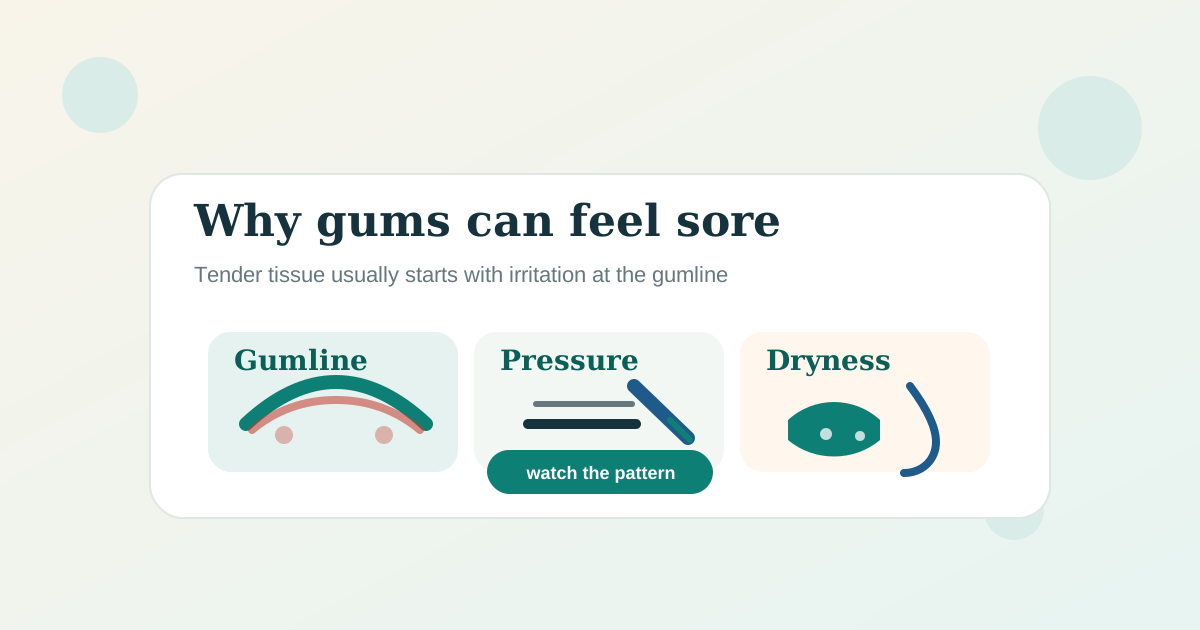
Tender gums are usually not random. The most common pattern is irritation where the tooth meets the gum, especially when plaque, dryness, pressure, or trapped food has been sitting there longer than the tissue likes.
When gums hurt, it is tempting to look for one dramatic cause. Most of the time, the first suspects are more ordinary: a gumline that is a little inflamed, a mouth that stayed dry overnight, floss that snapped into the tissue, or a bit of food caught between two teeth.
That does not make gum pain meaningless. Gums are soft tissue, and soft tissue tends to complain early. The useful question is whether the soreness is broad and mild, sharp around one spot, or paired with warning signs like swelling, bleeding, pus, fever, or a loose tooth.
1. The gumline may be irritated
Plaque builds most easily along the gumline because that edge is hard to keep perfectly clean. If it stays there, the tissue can become red, puffy, tender, or more likely to bleed when brushed or flossed. This early irritation is often what people notice before they think of it as a gum problem.
The tenderness can feel worse in the morning because saliva slows during sleep. Saliva normally helps rinse debris and buffer acids. When it drops, the gumline gets less help from the mouth's own cleanup system.
2. Brushing pressure can make sore tissue feel worse
A hard toothbrush or heavy hand can scrape already tender gums. The answer is not to avoid the area completely, because plaque left at the gumline keeps the cycle going. A softer brush and lighter pressure are usually kinder than scrubbing harder.
If the soreness started after changing brushes, whitening products, a new mouthwash, or a more aggressive flossing routine, irritation from the routine itself is worth considering.
3. One sore spot can mean something is trapped
General gum tenderness is different from one precise spot that hurts when you bite or press. Food can wedge between teeth, popcorn hulls can slide under the edge of the gum, and dental work can create tight places where residue catches. A single angry spot should settle as the irritant clears, but it should not be ignored if swelling or throbbing builds.
4. Dry mouth can turn mild irritation into a bigger feeling
Dry tissue is easier to bother. Mouth breathing, congestion, dry indoor air, dehydration, and some medications can leave the mouth sticky by morning. If your gums hurt most after sleep and the mouth feels dry too, dryness may be amplifying a gumline problem that was already there.
When gum pain needs a dentist
Call a dentist if gum pain is severe, keeps getting worse, lasts more than several days, centers around one swollen spot, or comes with bleeding that does not settle, pus, fever, a bad taste, pain when chewing, or a tooth that feels loose. Those signs need an exam, not another round of guessing.
For milder tenderness, the pattern matters. If the same area keeps flaring up, or if bleeding and bad breath travel with the soreness, the gumline may need professional cleaning and a closer look. Gum discomfort is common, but persistent gum discomfort is information.