Gum Health
Gum inflammation: what it feels like before it turns into bleeding
Gum inflammation usually starts as a small change: the tissue looks a little puffier, feels less smooth, or seems to react more than usual when you brush. It is a pattern, not a mystery.
Most people notice gum trouble only after it becomes obvious: pink floss, tenderness, or gums that look redder than they should. But the earlier stage is quieter. The gumline may simply feel more sensitive, the mouth may taste off in the morning, or a toothbrush that used to feel normal suddenly feels a little too direct.
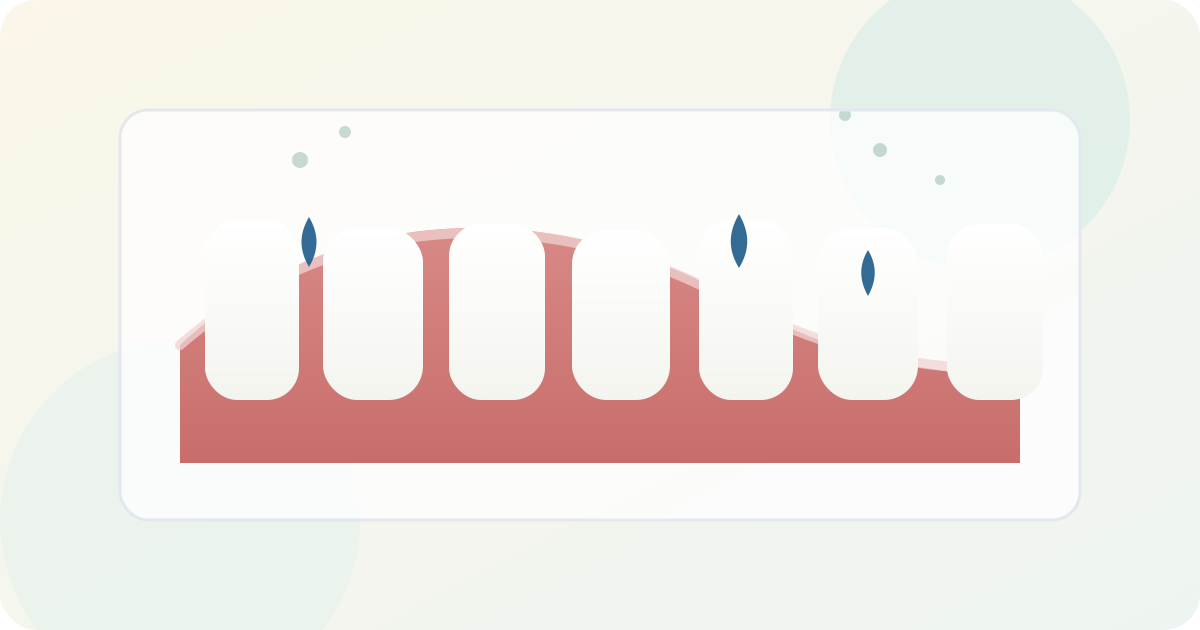
What inflammation looks like in everyday life
Inflammation is the body sending more blood flow and fluid to tissue that has been irritated. In the gums, that often shows up as puffiness, darker red edges, tenderness, or easier bleeding when you brush or floss. None of that means something dramatic is happening. It usually means the tissue has been asked to deal with too much irritation for too long.
The tricky part is that the change can be subtle. A person may still brush twice a day and assume everything is fine, while the gumline is quietly reacting to plaque, dryness, or trapped debris around a tooth or dental work.
Why the gumline is so easy to irritate
The area where a tooth meets the gum is a narrow border. It is easy for plaque to sit there, and it is also easy to miss if brushing is rushed or too light. Once that area stays irritated, the tissue can swell a bit, become more sensitive, and start bleeding sooner than expected.
Dry mouth makes that easier. Saliva helps rinse and buffer the mouth, so when the mouth is dry overnight or during mouth breathing, the gumline has less natural protection. That is why morning tenderness often travels with morning breath or a sticky feeling in the mouth.
Common everyday triggers
- Plaque lingering at the gumline between brushings
- Brushing too hard or using a stiff brush
- Dry mouth from sleeping with the mouth open
- Food trapped between teeth, around a crown, or beside a retainer
- Smoking or other habits that make gum changes harder to notice early
These are ordinary things, not rare edge cases. Gum inflammation often grows out of boring patterns that add up one small irritation at a time.
What usually helps first
The first move is usually gentler, not harder. A soft toothbrush, slower brushing along the gumline, and daily interdental cleaning tend to do more than aggressive scrubbing. If the mouth is dry at night, improving nasal breathing and keeping the bedroom air from getting too dry can make mornings feel less rough.
If the gums are inflamed around one tooth only, or if a bridge, retainer, or crown seems to trap debris there, that is worth a closer look. Sometimes the issue is not the whole mouth. It is one stubborn spot that never gets a fair cleaning pass.