Gum Health
Gum recession: what it usually means when teeth start looking longer
When a gumline seems to slip downward, the change is often more ordinary than alarming: the tissue has been irritated, worn down, or pulled back slowly over time. The clue is usually in the pattern, not the panic.
People often notice gum recession in a mirror before they notice it in the mouth. A front tooth starts looking a little longer. A notch appears near the gumline. Cold water suddenly lands with more of a zing than it used to. That does not automatically mean something severe is happening, but it does mean the tissue around the tooth has changed.
What gum recession actually is
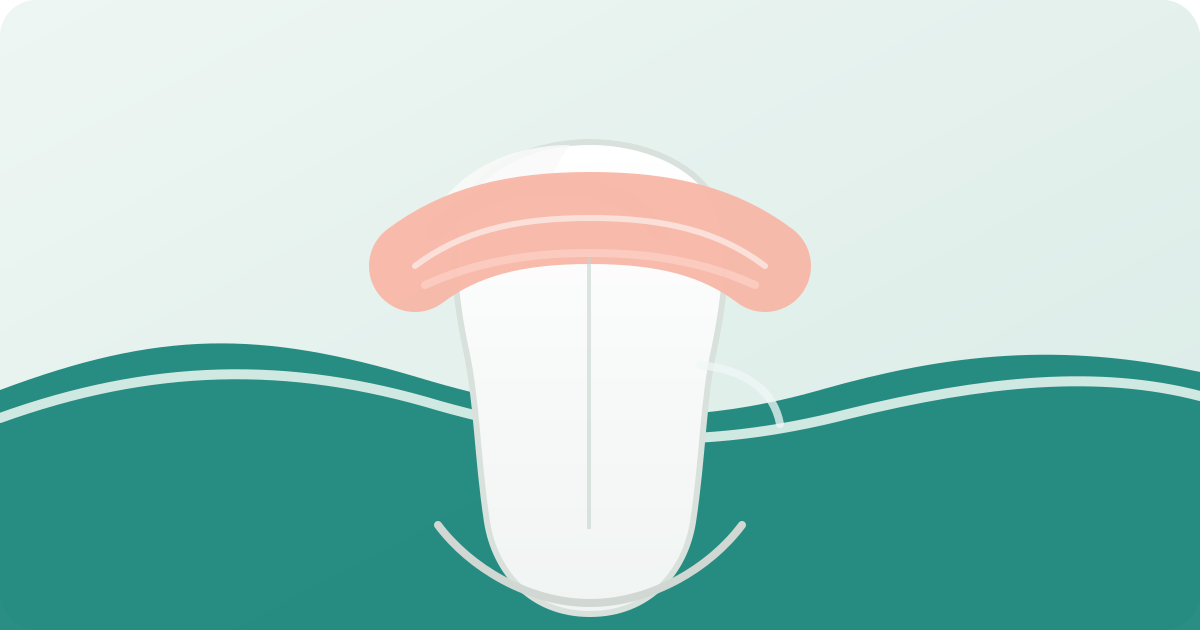
Gum recession means the edge of the gum sits farther down the tooth than it used to. Sometimes the gum tissue itself has thinned. Sometimes the border has been repeatedly irritated and pulled back. Either way, the tooth can start to look longer, and the root surface may become easier to notice.
The root is not coated the same way the crown of the tooth is, so exposed areas can feel more sensitive. That is one reason recession is often first noticed as a reaction to cold drinks, air, or brushing in one particular spot.
What usually pushes gums back
The common causes are usually mundane, not exotic. Brushing too hard, using a stiff brush, or scrubbing the same area every day can wear at the gum margin. Plaque and inflammation can do the opposite: they irritate the tissue until the gumline no longer sits neatly around the tooth.
- Hard brushing or aggressive scrubbing
- Plaque buildup and repeated gum irritation
- Clenching or grinding that puts extra stress on the tooth
- Dry mouth, which leaves tissue less protected overnight
- Dental work or a bite pattern that concentrates pressure in one spot
Sometimes several of those things overlap. A person can brush hard because the mouth already feels gritty, then get more irritated, then brush even harder because the gums look worse. That loop is more common than most people think.
What it usually feels like
Recession does not always hurt. In fact, the quieter cases are the ones people miss longest. The signs are often visual first: teeth that look longer, a thin line where the gum has shifted, or a root surface that catches the eye under bright light. Sensitivity may come later.
If the gumline is also red, puffy, or bleeds easily, the picture is less about recession alone and more about irritation around the whole area. In that case, the recession is part of a broader gum-health pattern, not a standalone event.
What tends to help first
The first move is usually gentler, not stronger. A soft toothbrush, slower strokes near the gumline, and less pressure tend to protect tissue better than a hard-handed clean. If dry mouth is part of the picture, improving nighttime breathing and keeping the mouth from drying out can reduce the extra stress on the gums.
If one tooth is changing much faster than the others, that is worth a dental check. Same if the sensitivity is sharp, the gumline is bleeding, or the tooth feels loose. Fast change is the part to respect.