Sleep & Breathing
Mouth breathing: why it happens at night and what it changes in your mouth
Mouth breathing is usually not the mystery people think it is. The nose is blocked, the air is dry, or the jaw simply falls open in sleep. The result is the same: a drier mouth that has less saliva doing its usual work.
Mouth breathing is often the body's fallback when nasal breathing gets harder. A stuffy nose from allergies or a cold can be enough. So can sleeping on the back, a dry bedroom, or a simple habit that shows up once the jaw relaxes at night. The important part is not the label. It is what the airflow does to the mouth while you sleep.
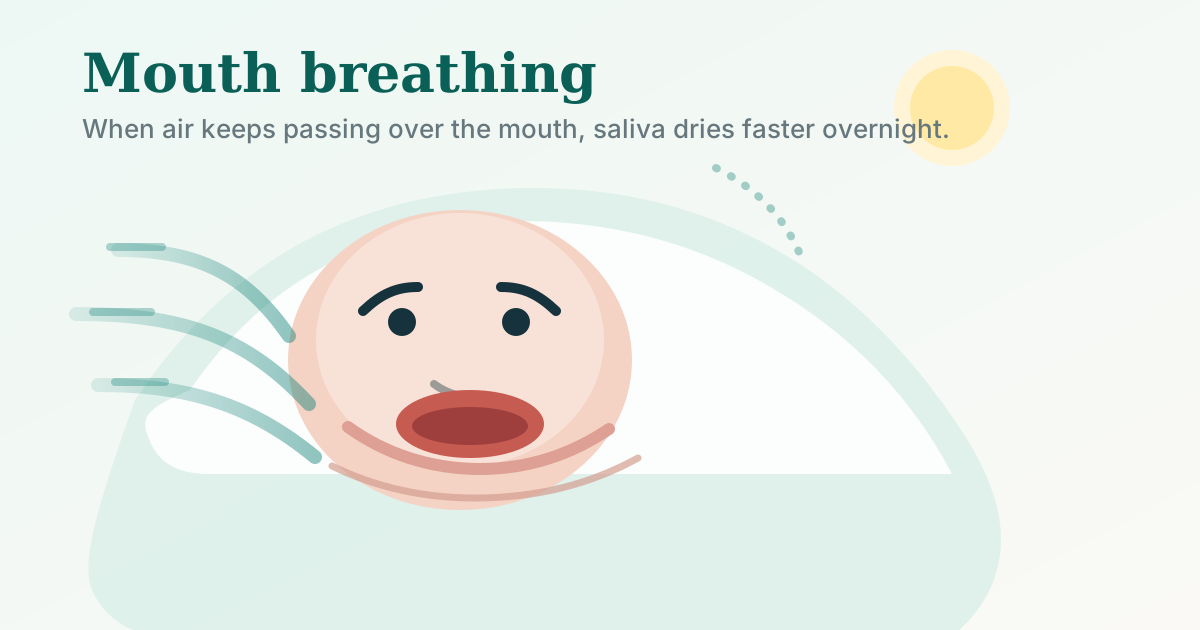
Why a mouth that stays open dries out so quickly
Saliva is not just there to keep things comfortable. It rinses the mouth, buffers acids, and helps keep bacteria in balance. During sleep, saliva production already slows down. If the mouth is open on top of that, the tissue gets even drier and loses some of its natural protection.
That is why mouth breathing often travels with a sticky morning mouth, a tongue that feels coated, or breath that seems stronger by sunrise. It is not necessarily a separate problem. It is often the same dry-air pattern showing up in more than one way.
What usually causes it
- Blocked nasal breathing from allergies, congestion, or a cold
- Sleeping on the back, which can let the jaw fall open
- Dry indoor air, especially in winter or with strong heating or cooling
- Snoring or other sleep-related breathing patterns
- Medication or dehydration that already leaves the mouth drier than usual
In children, enlarged adenoids can play a role. In adults, a persistent blocked nose or sleep-disordered breathing is more worth paying attention to. Either way, the pattern matters more than the single night you happened to notice it.
What it can change in the mouth
The first change is usually comfort. The mouth feels parched, the tongue sticks a little, and morning breath is stronger than usual. Over time, a dry mouth can also make the gums easier to irritate and leave teeth less protected against acids and bacteria.
That does not mean every mouth breather is headed for trouble. It means saliva is being asked to do its job with less help. If the pattern is frequent, the mouth often tells you before anything dramatic shows up.
What tends to help first
The boring fixes are usually the ones that work best. Clearing nasal congestion before bed, keeping the bedroom air from getting too dry, staying hydrated through the day, and paying attention to sleep position can all make a difference. If allergies are the trigger, treating the congestion often matters more than trying to manage the dry mouth after the fact.
If the mouth breathing is persistent, it is worth getting checked rather than just accommodating it. A dentist can notice signs of long-term dryness or gum irritation, and a doctor can look at nasal blockage or sleep-related breathing problems.