Sleep & Breathing
Bad breath causes: what usually matters most when brushing doesn't fix it
Bad breath is usually not one big problem. It is more often a small stack of ordinary things: a drier mouth, more tongue coating, and a gumline that has been irritated longer than you realized.
If brushing your teeth makes the smell better for a little while and then it comes back, that usually means the issue is not just surface residue. The mouth is a living environment. Overnight saliva slows, air dries tissue, and bacteria have more time to sit on the tongue, between teeth, and near the gumline.
That combination is why bad breath often shows up in the morning, after a nap, or after a day of breathing through the mouth. It is not a moral failure or a hygiene verdict. It is a pattern.
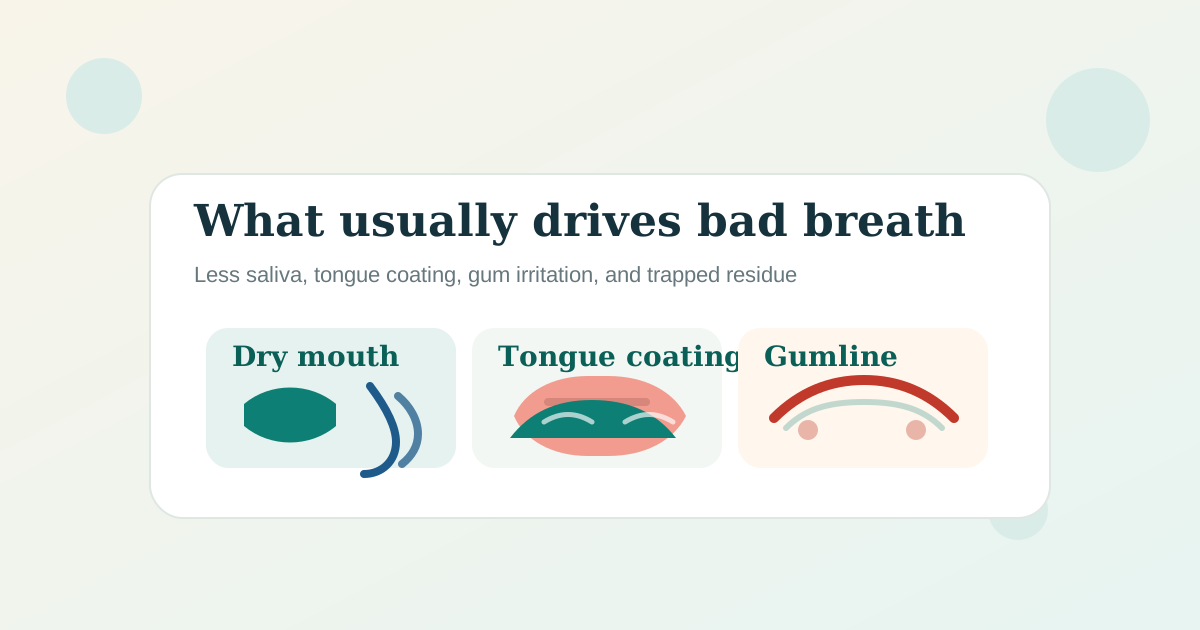
1. Dry mouth is usually the first thing to look at
Saliva rinses, buffers acid, and keeps debris moving. When saliva drops, the mouth loses a lot of that housekeeping. Dry air, mouth breathing, congestion, dehydration, and some medications can all make the problem more obvious. The mouth does not need to be completely parched for odor to build. It only needs to stay dry long enough for the usual cleanup to slow down.
This is why people often notice a stronger smell after sleep or after waking with a sticky, cottony mouth. The overnight stretch is simply the longest time the mouth goes without its normal rinse cycle.
2. The tongue is a bigger player than most people think
The back of the tongue has a rough surface that traps bacteria and food residue more easily than smooth enamel does. If that coating sits undisturbed, it can become one of the main sources of odor. That is also why a person can brush and floss carefully, then still feel like the breath never quite resets.
Cleaning the tongue gently can help, but the bigger point is why the coating is building in the first place. A dry mouth gives it a better chance to stay put.
3. Irritated gums can add to the smell
When the gumline is inflamed, bacteria have more sheltered places to sit. That does not mean every case of bad breath comes from a gum problem, but swollen or bleeding gums often travel with it. If the mouth tastes off, the gums bleed easily, or the breath keeps returning even after cleaning, the gumline deserves a closer look.
4. Food and trapped residue matter too
- Food stuck between teeth
- Residue around crowns, retainers, or tight contacts
- Old plaque that has started to harden into tartar
- Dry bedroom air that lets tissue stay parched longer
These are ordinary things, but they can stack up quickly. A mouth that is already dry and a little inflamed does not need much help to smell stronger by morning.
What usually helps first
Start with the basics: brush before bed, floss if needed, and clean the tongue gently. If you wake up with a dry mouth, look at the reason the mouth is drying in the first place. Nasal congestion, mouth breathing, and overly dry indoor air are common culprits. If those stay fixed, the breath usually gets less stubborn too.
If the smell is constant rather than occasional, or if it comes with pain, swelling, bleeding, pus, fever, or a bad taste that does not go away, that is worth a dental check. Persistent odor can be the mouth asking for a closer exam, not just another mint.