Oral Health
White tongue: why coating builds up and when to get it checked
A white tongue often looks more alarming than it is. Most of the time, the first question is not "What disease is this?" It is "What is sitting on the tongue surface, and why is it staying there?"
The top of the tongue is not smooth. It has tiny projections that can hold dead cells, food residue, and bacteria. When that material builds up, the tongue can look pale, coated, or patchy white. Dry mouth, mouth breathing, smoking, dehydration, and rushed oral hygiene can all make the coating easier to notice.
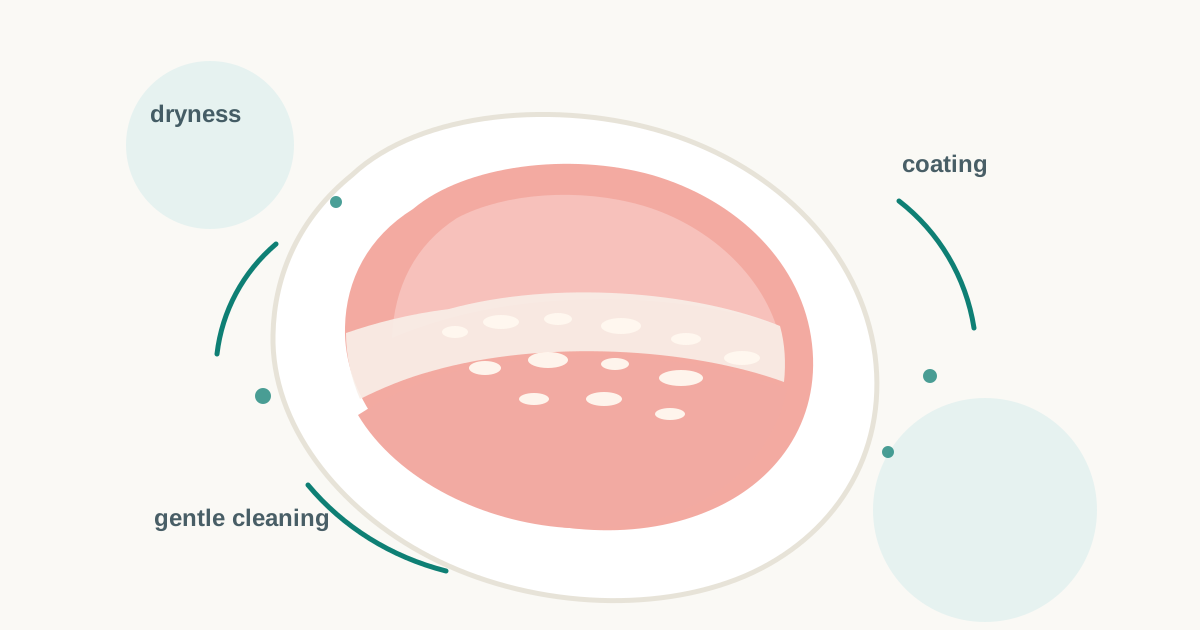
Why dryness matters so much
Saliva helps rinse the mouth all day. Overnight, saliva naturally slows down, and the tongue does not get the same washing effect. If you sleep with your mouth open, breathe through a blocked nose, or wake up feeling sticky and dry, the coating can look heavier in the morning.
That is also why white tongue often travels with morning breath. The tongue surface can hold odor-producing bacteria and debris, especially toward the back where cleaning is less consistent. A coated tongue does not prove that it is the only cause of breath changes, but it is one of the first places dentists usually ask people to look.
Common everyday triggers
- Dry mouth from mouth breathing, dehydration, or some medications
- Not cleaning the tongue surface during daily brushing
- Smoking or frequent alcohol use, which can dry and irritate the mouth
- Recent illness, congestion, or sleeping with the mouth open
- Food residue and bacteria collecting in the grooves of the tongue
The boring explanation is often the right starting point: the tongue surface is textured, the mouth is dry, and the coating is not being cleared as well as usual.
What usually helps first
Start gently. Brush the tongue with a soft toothbrush or use a tongue cleaner with light pressure. Rinse the tool after each pass and stop if the tongue feels sore. Aggressive scraping can irritate tissue and make the mouth feel worse, which defeats the point.
It also helps to work upstream. If the coating is worse in the morning, look at the night pattern: nasal congestion, dry bedroom air, snoring, or a jaw that falls open during sleep. If your mouth feels dry most days, bring that up with a dentist or clinician, especially if you take medications that can reduce saliva.
When it deserves a closer look
A simple coating should improve with gentle cleaning and better moisture. Get checked if the white area is painful, bleeds, does not wipe or brush away, keeps returning in the same patch, or lasts more than a couple of weeks. Also get care sooner if you have mouth sores, trouble swallowing, fever, or a thick cottage-cheese-like coating, because those patterns can point to something beyond ordinary buildup.
Sources reviewed: Cleveland Clinic and Mayo Clinic guidance on white tongue causes; American Dental Association patient guidance on tongue cleaning, mouthrinse, and bad breath.